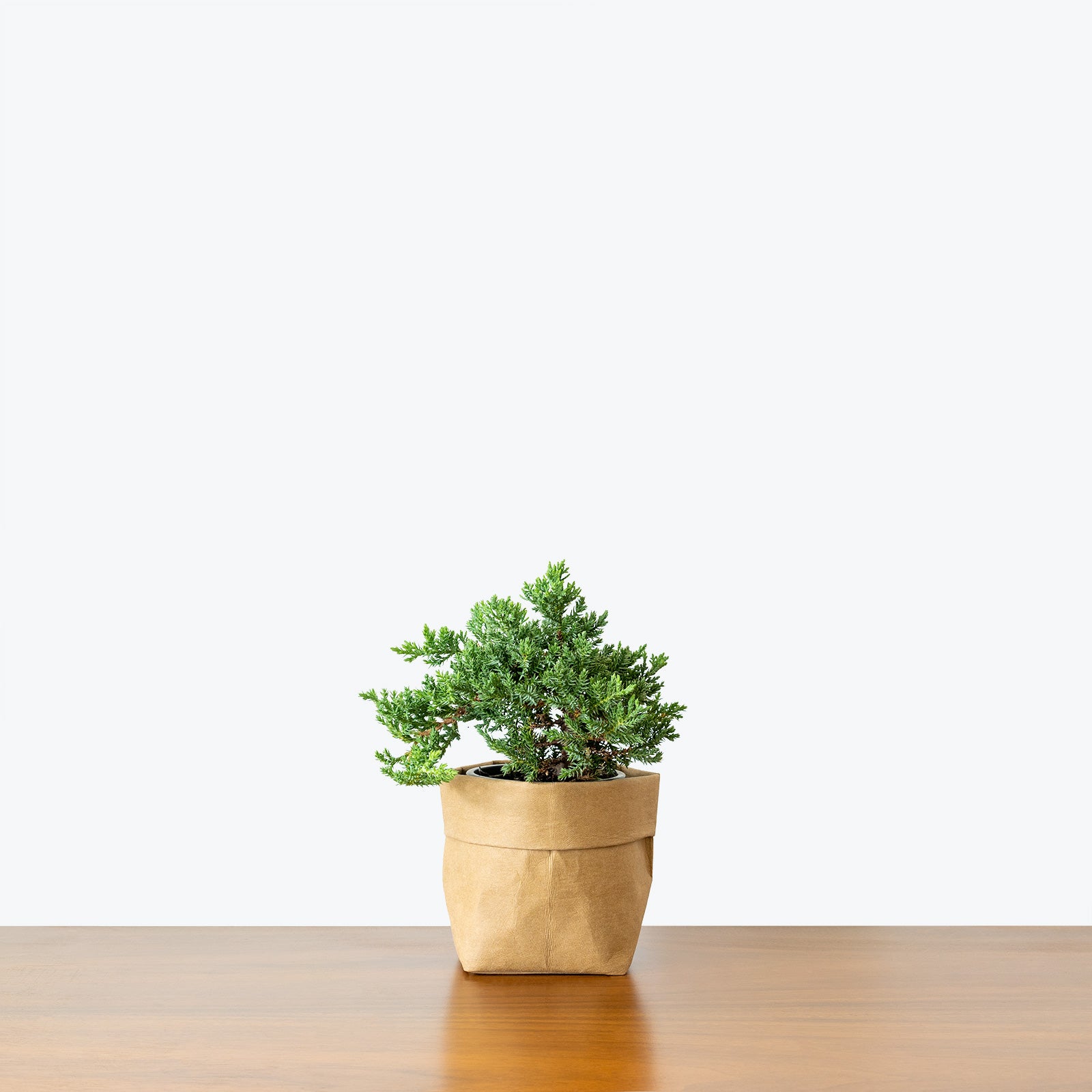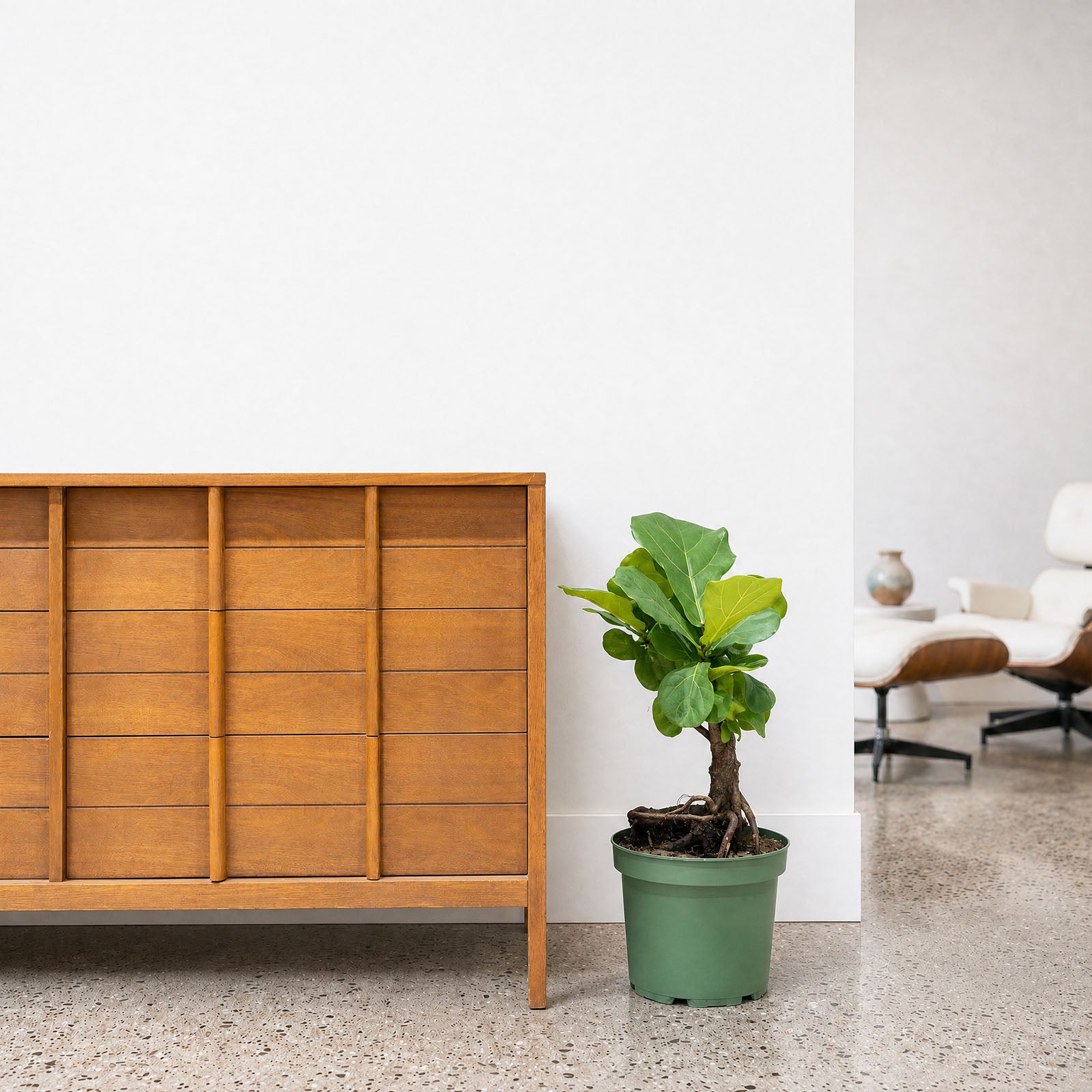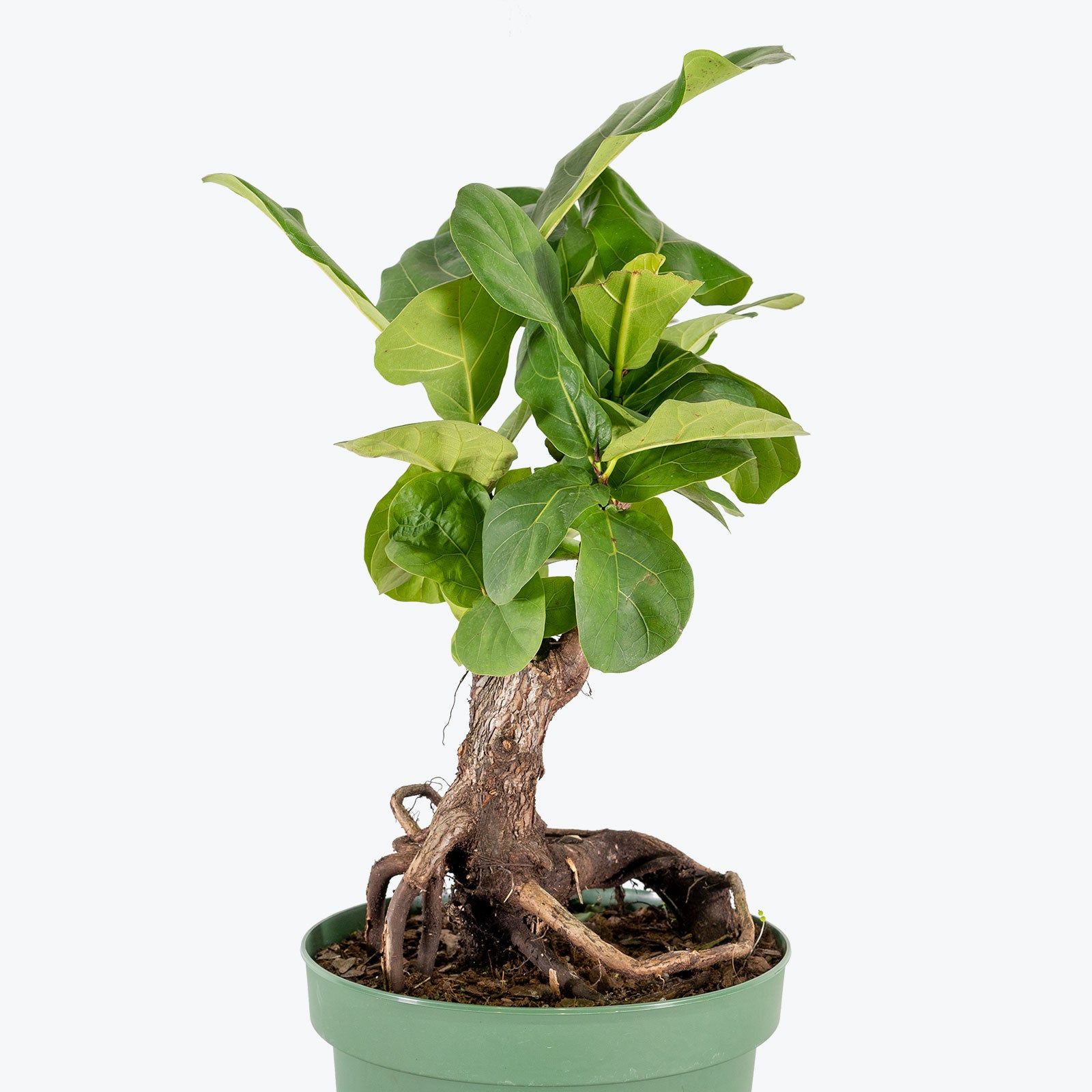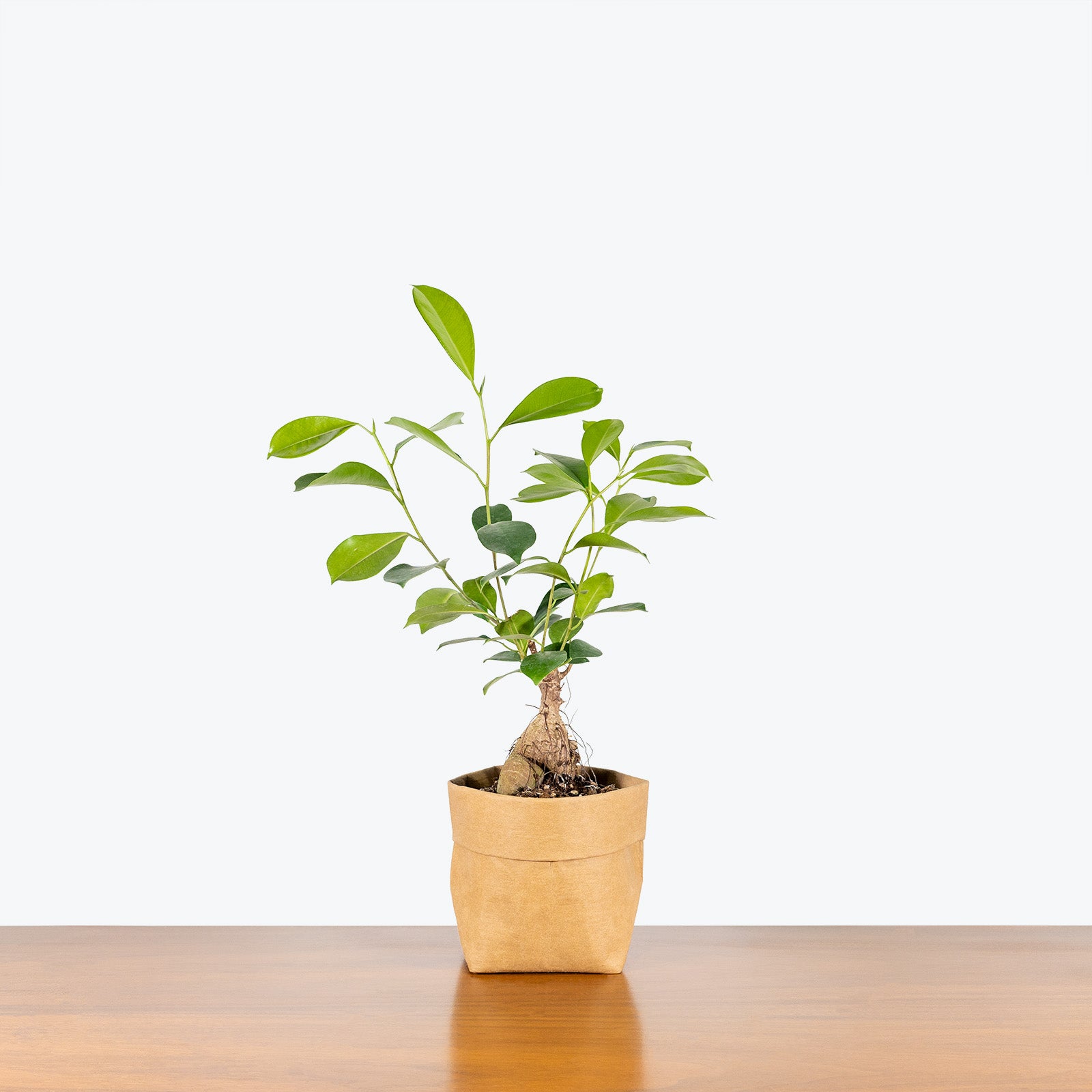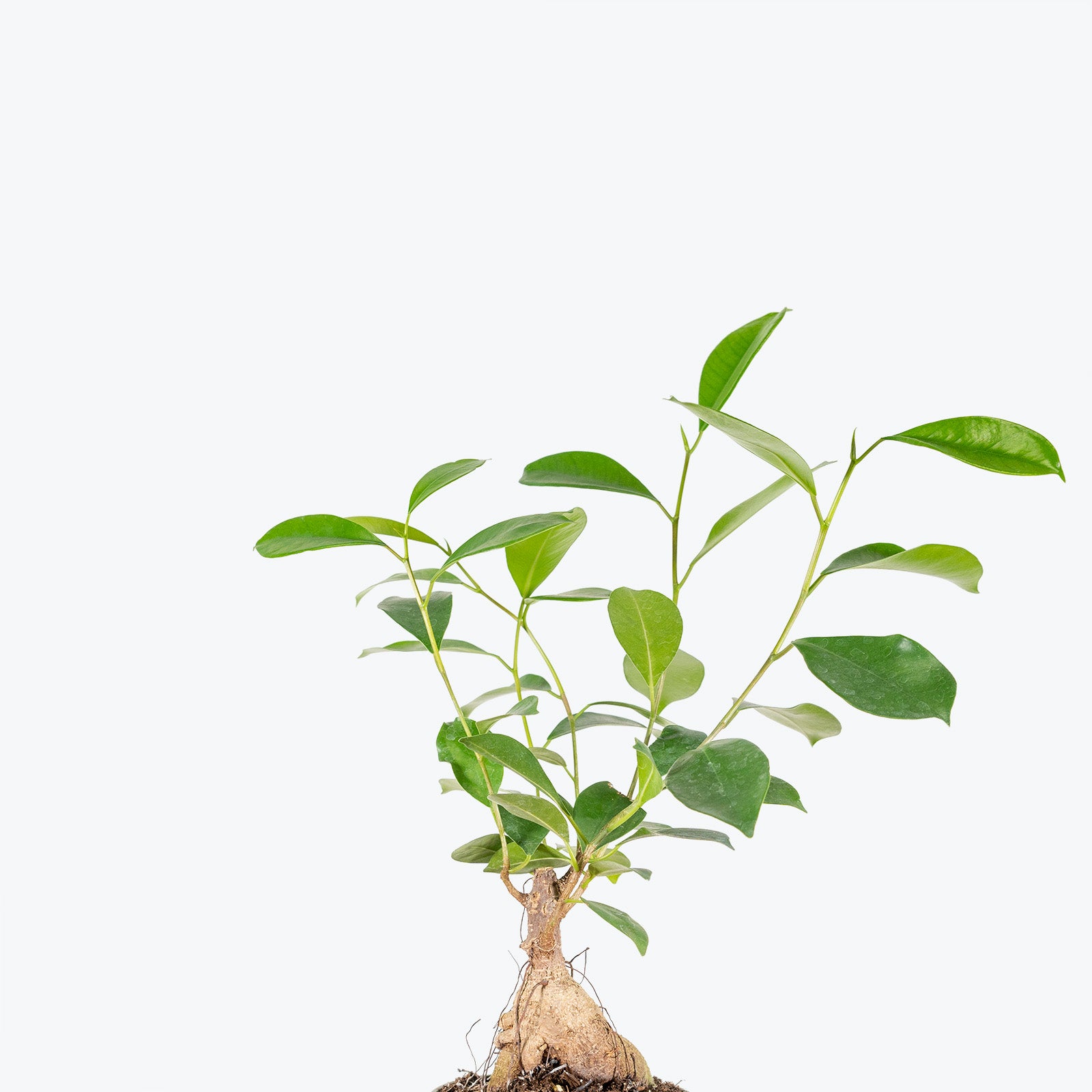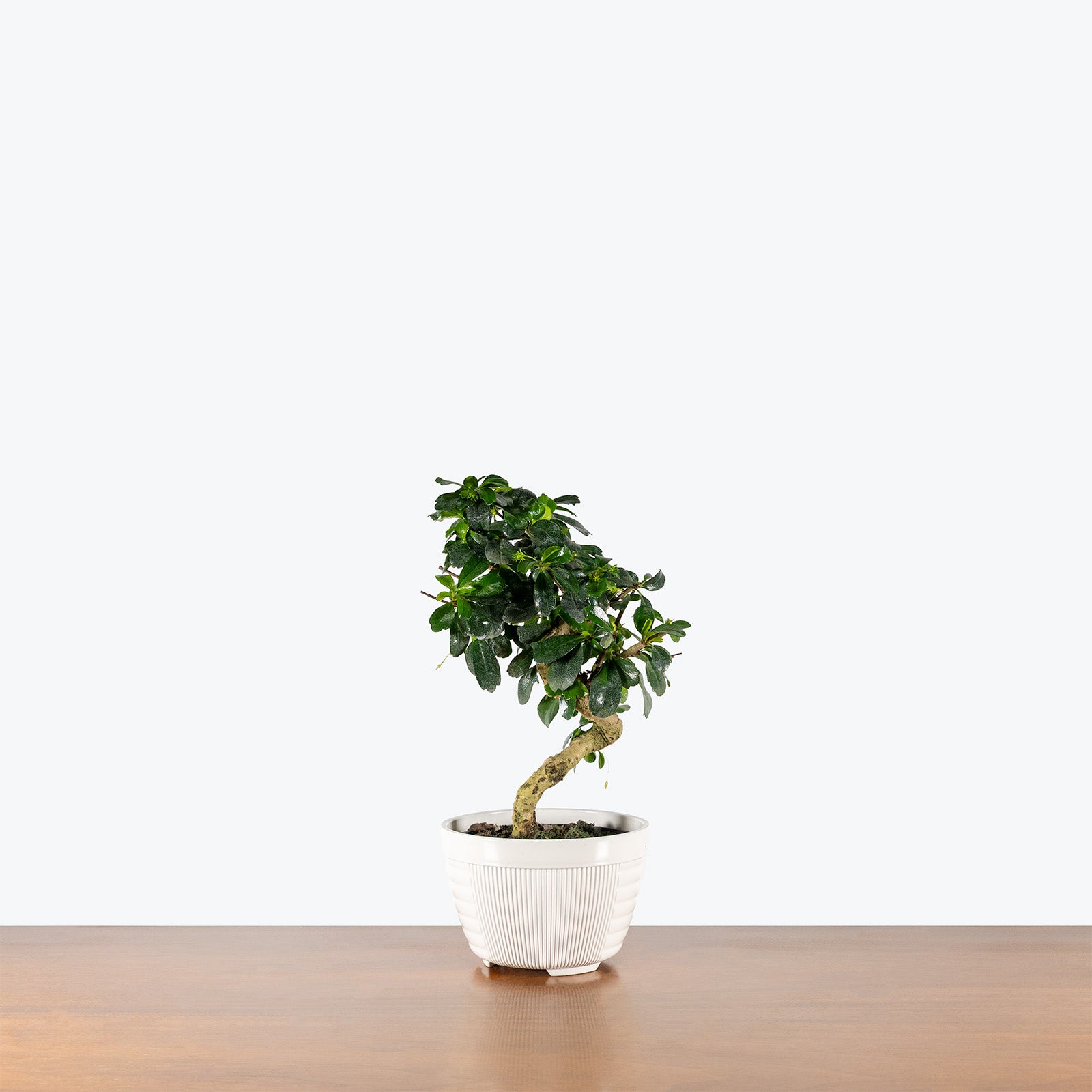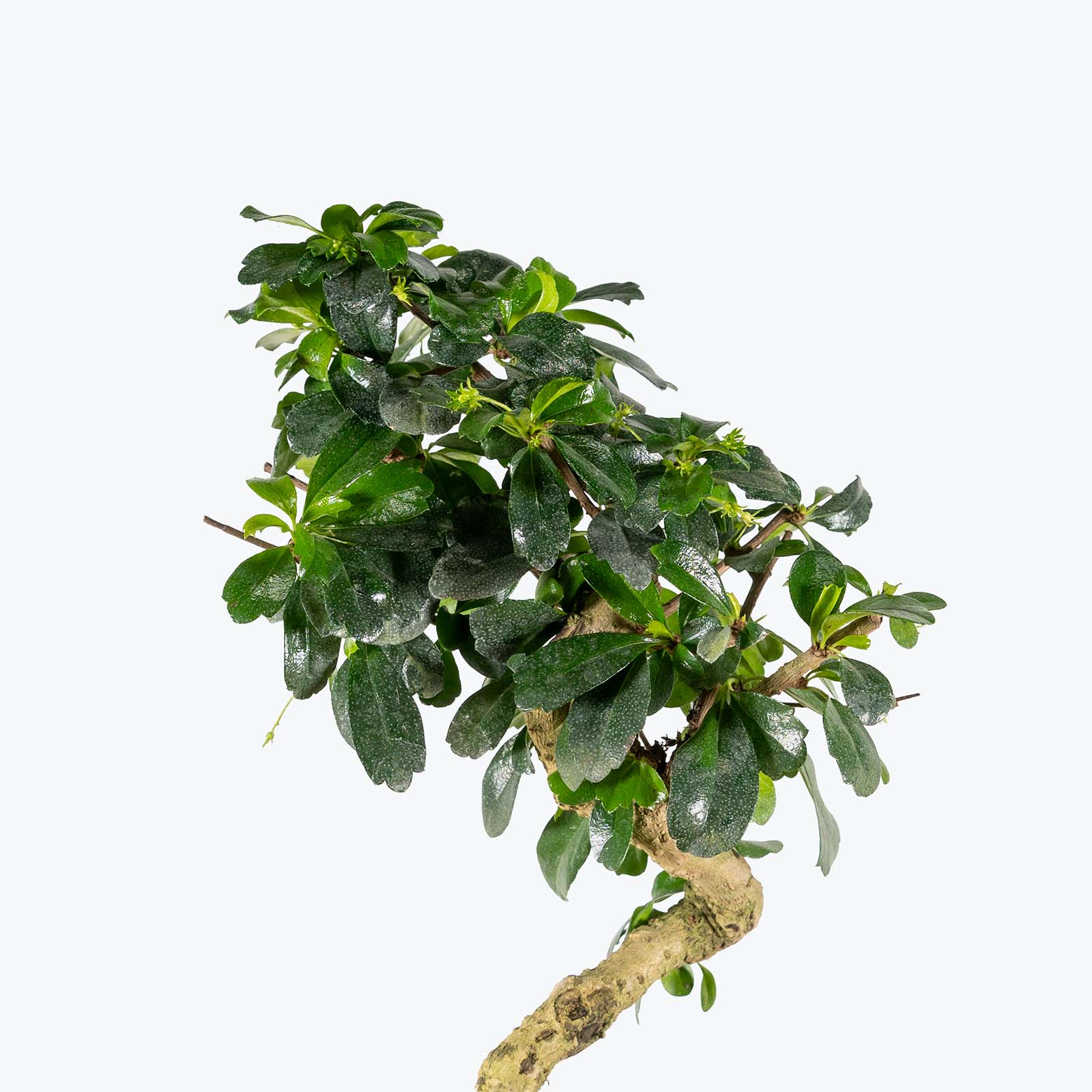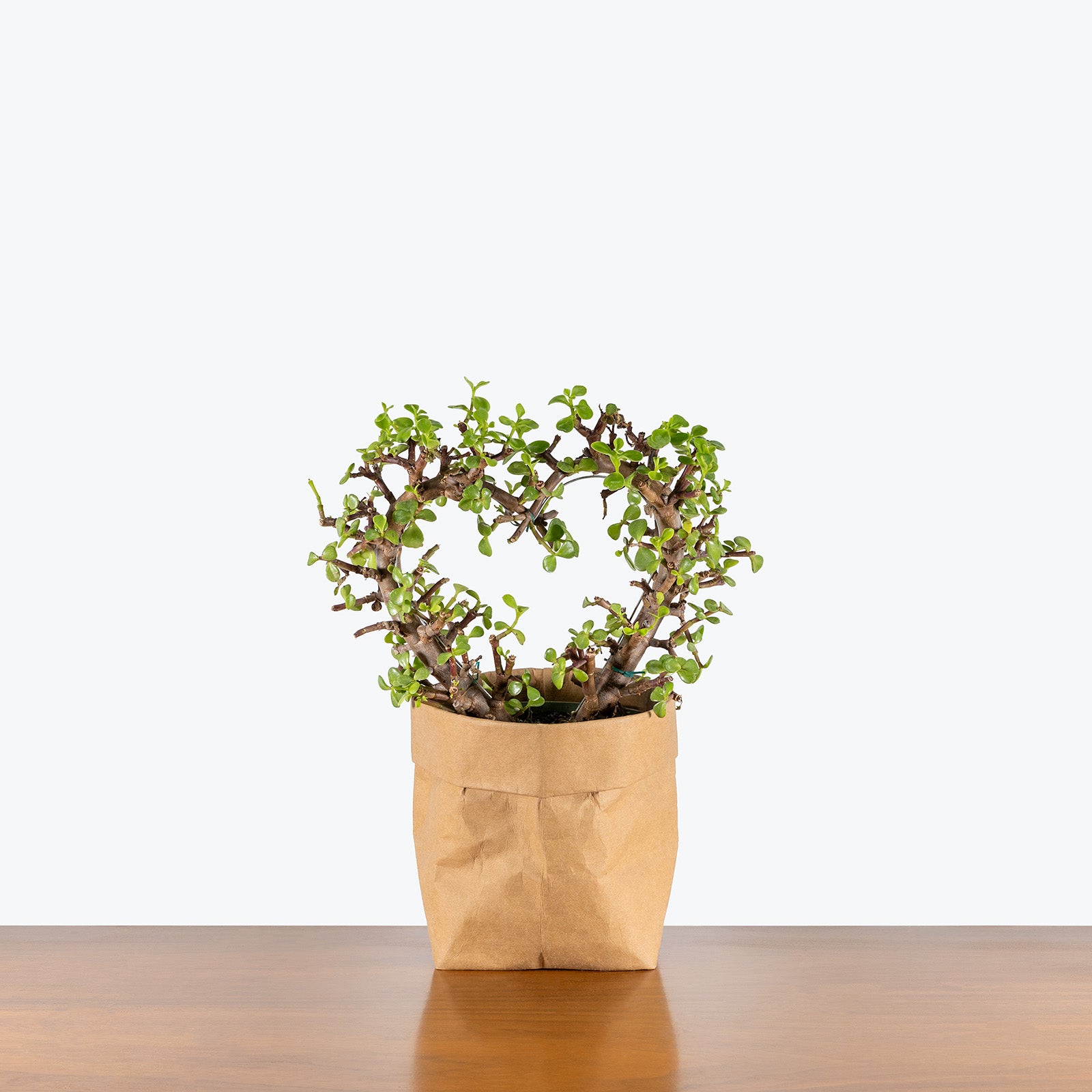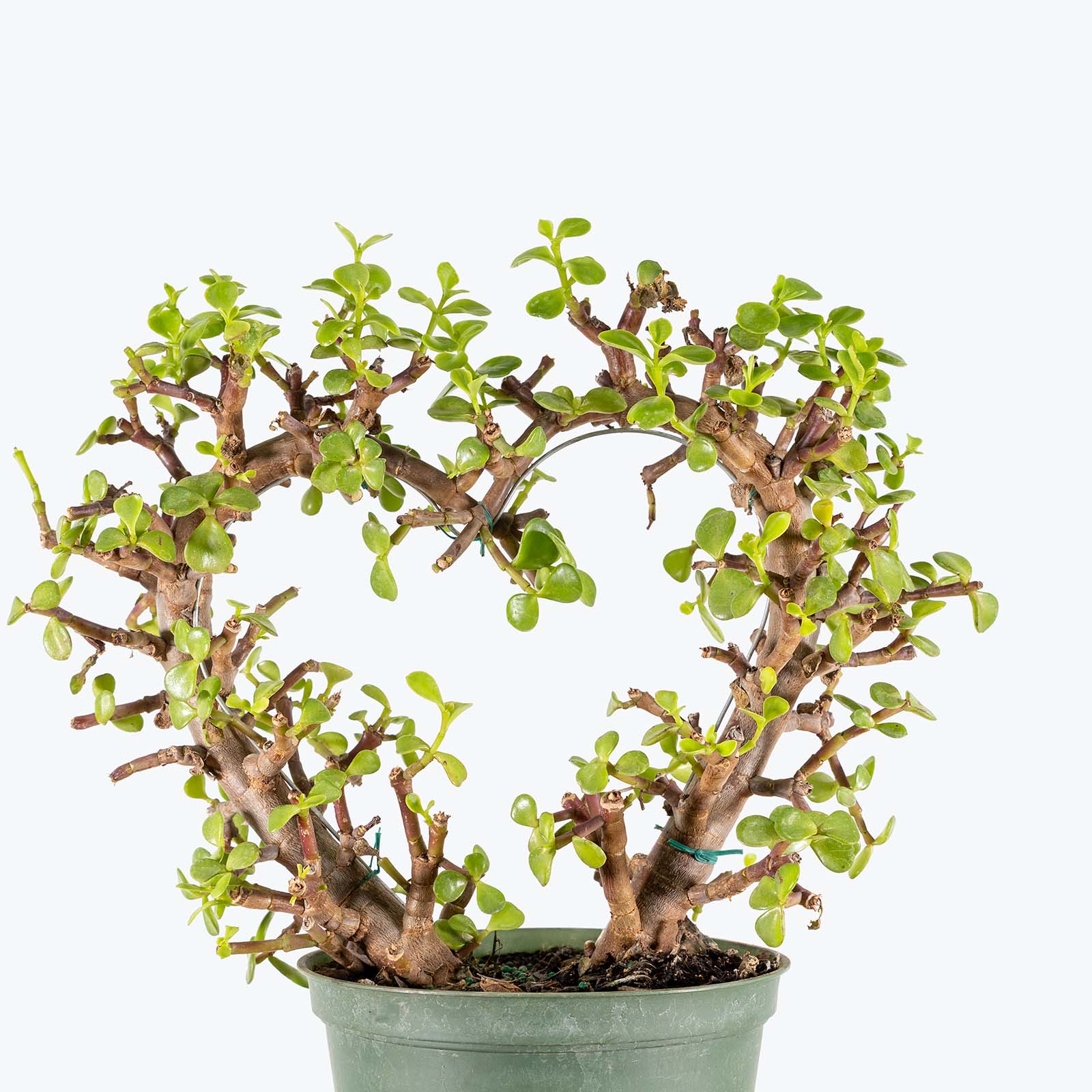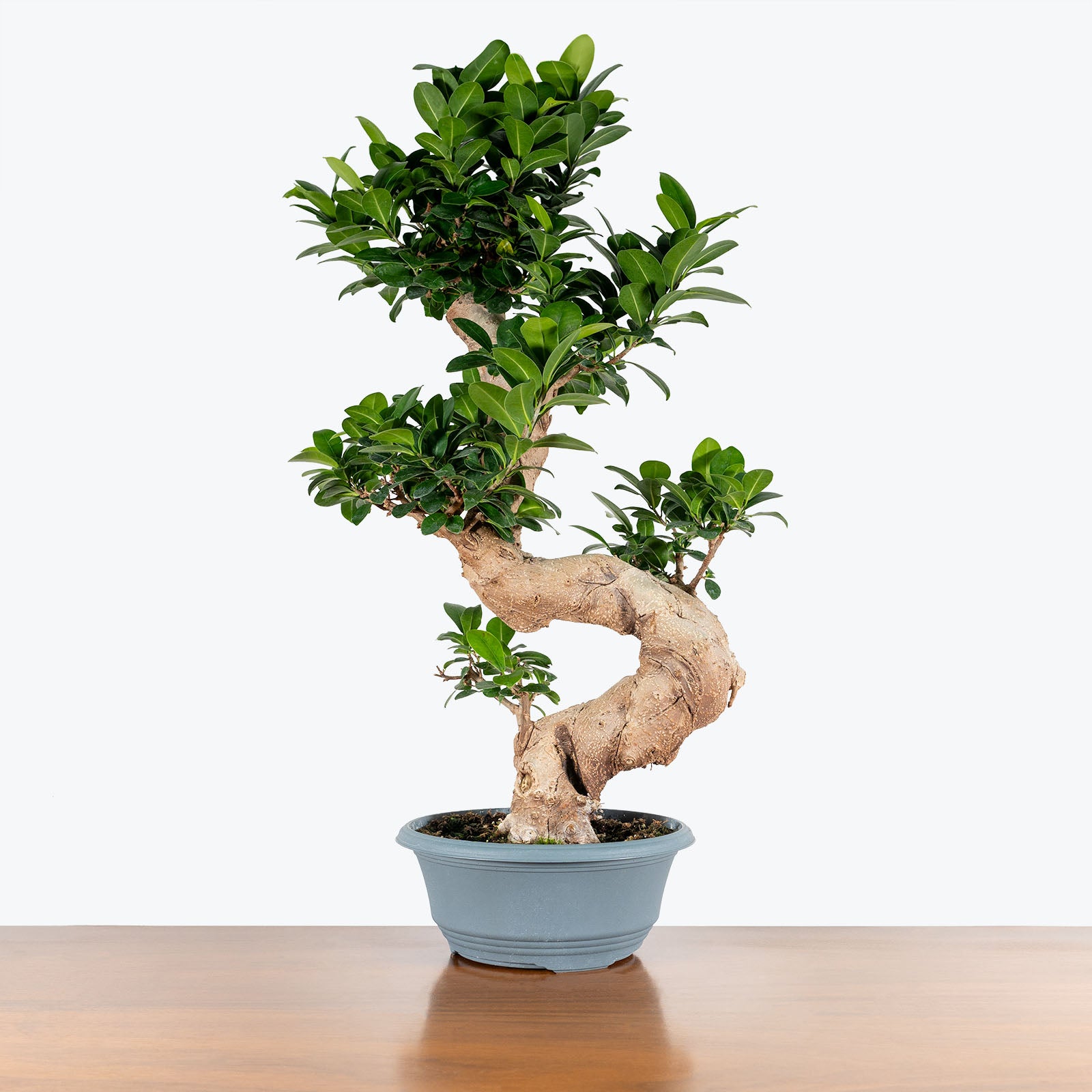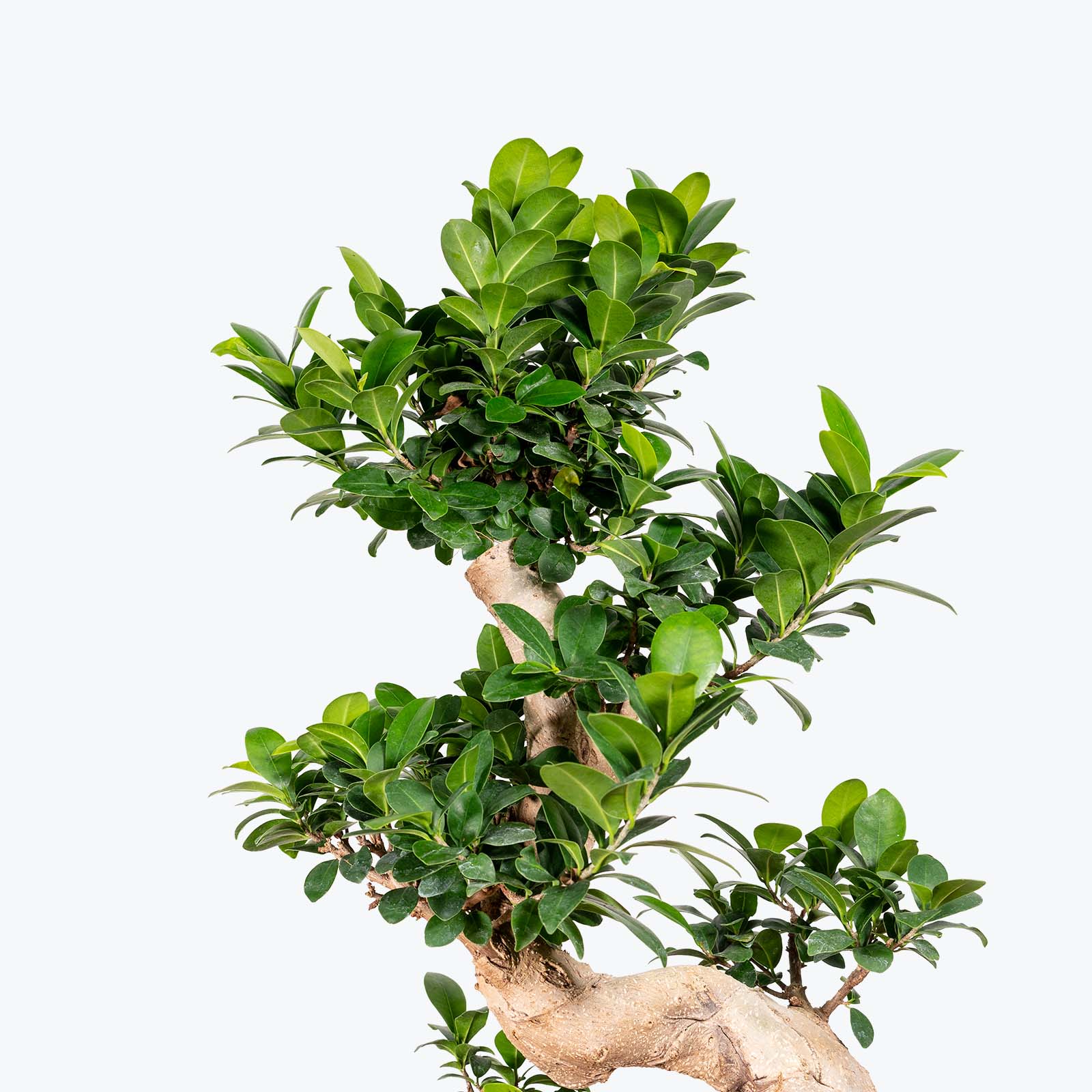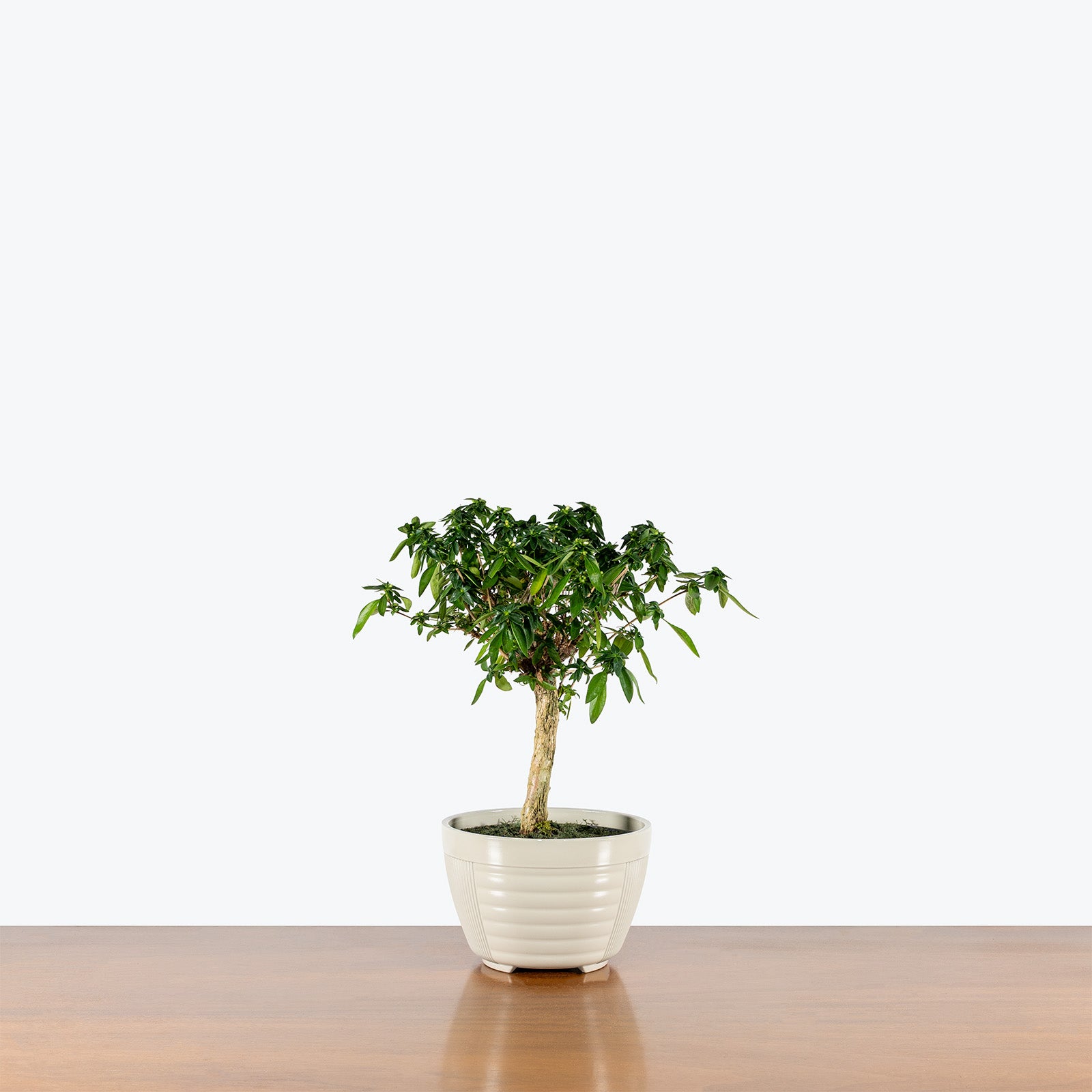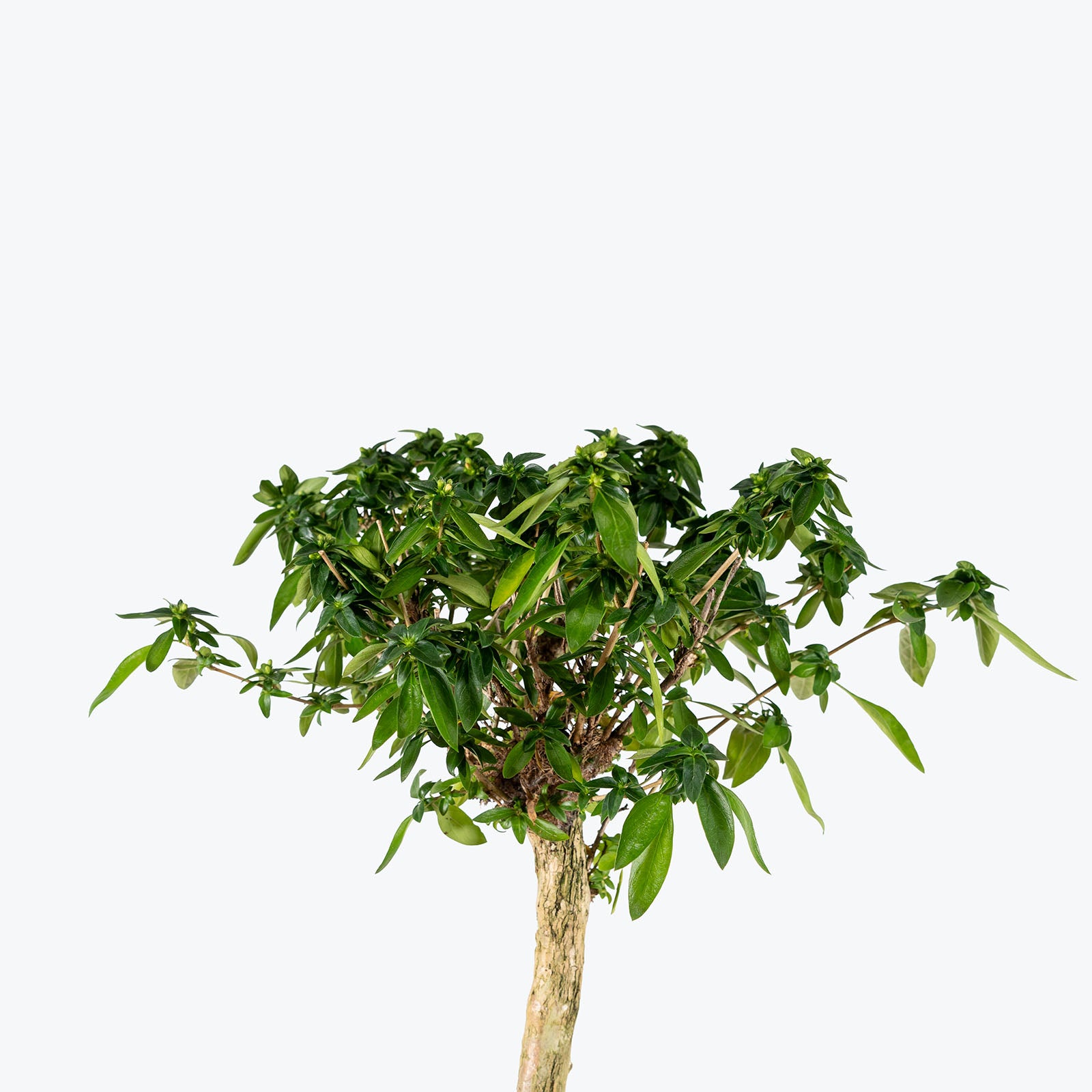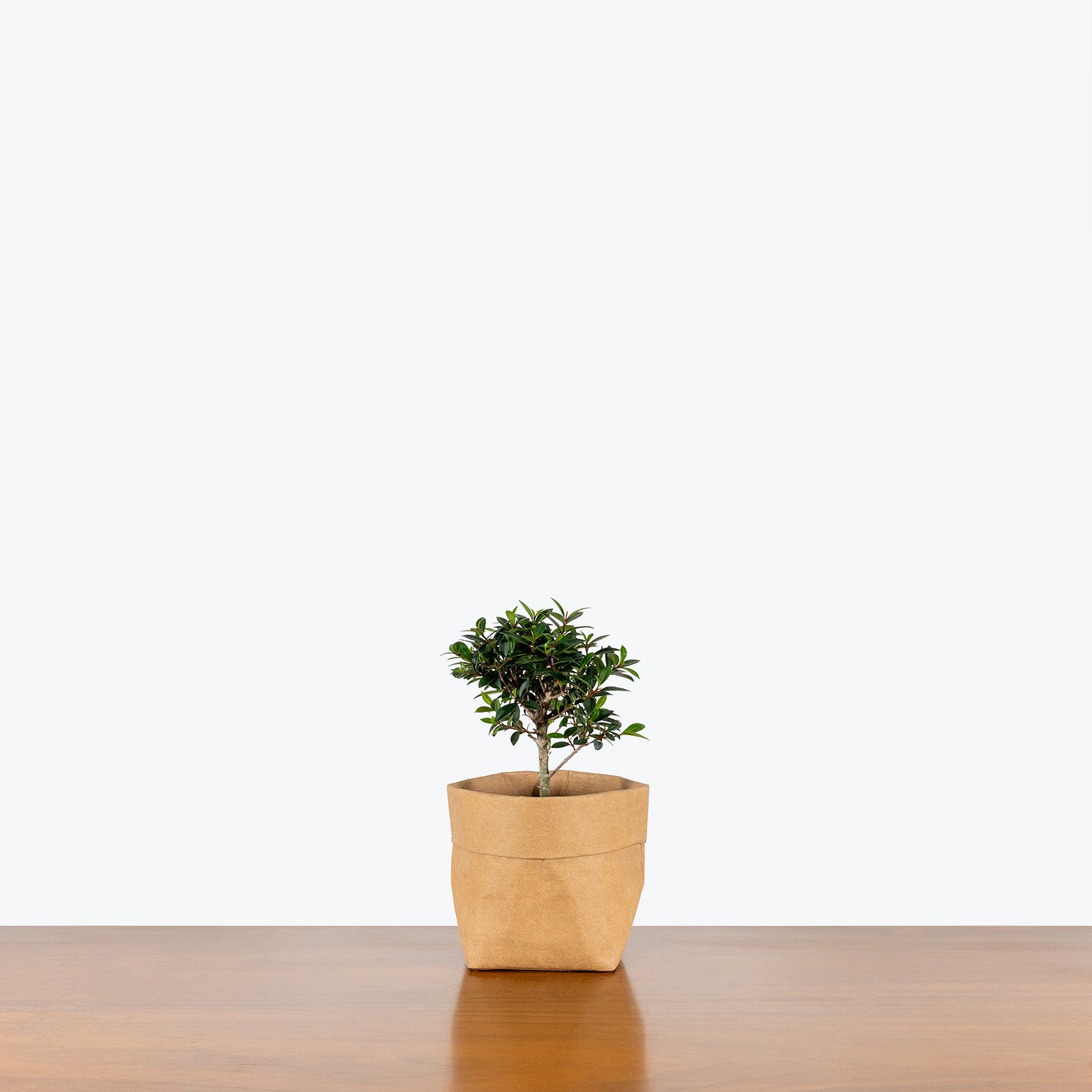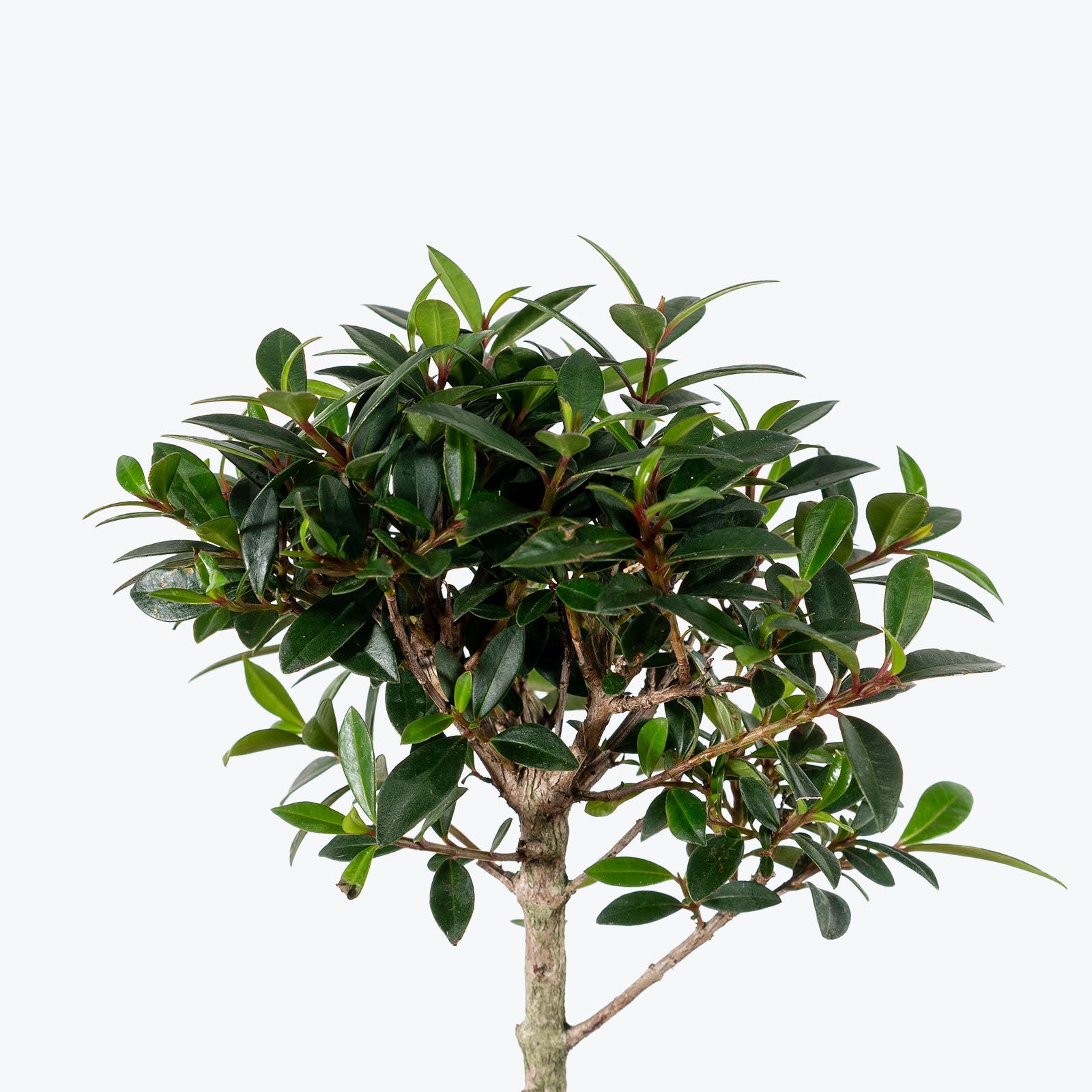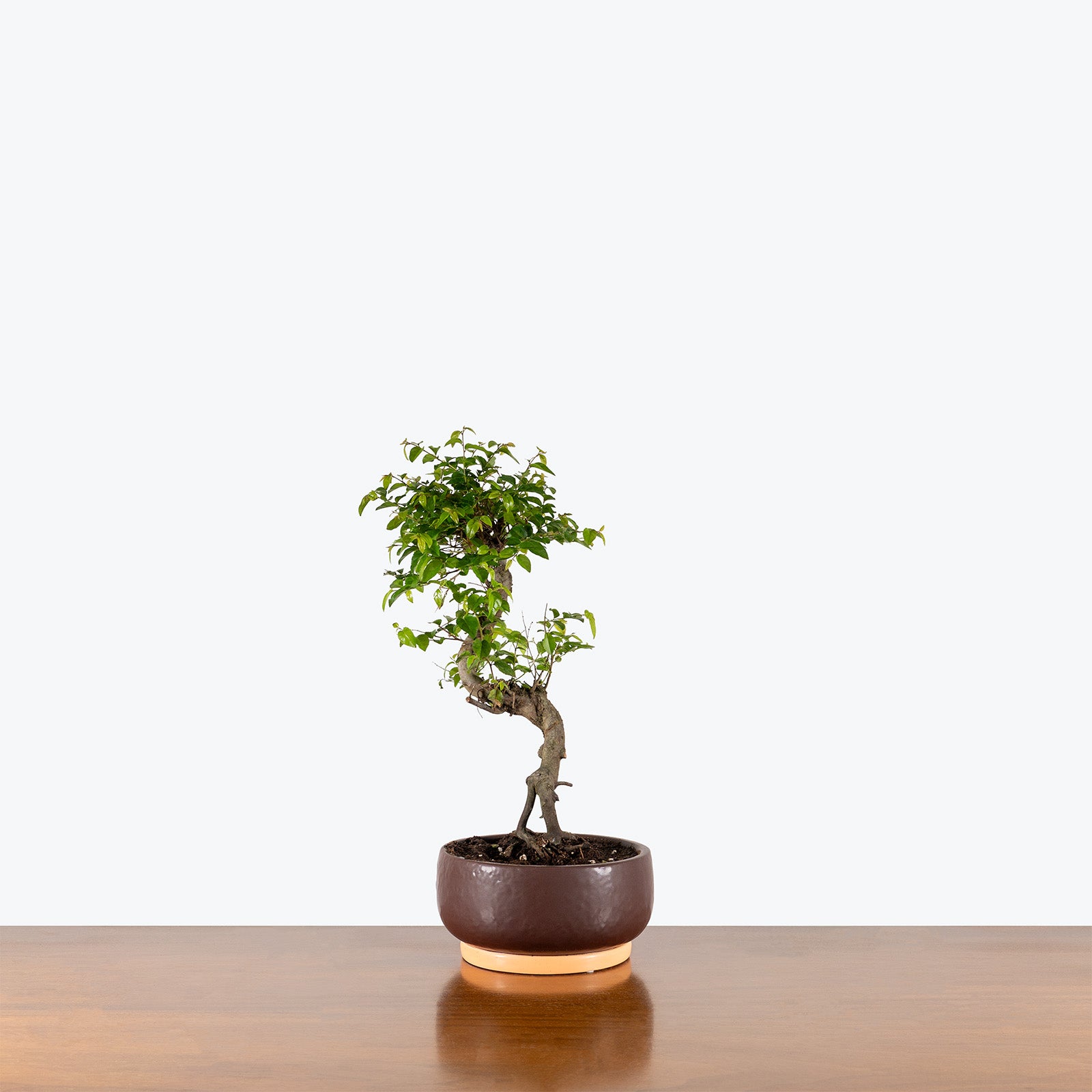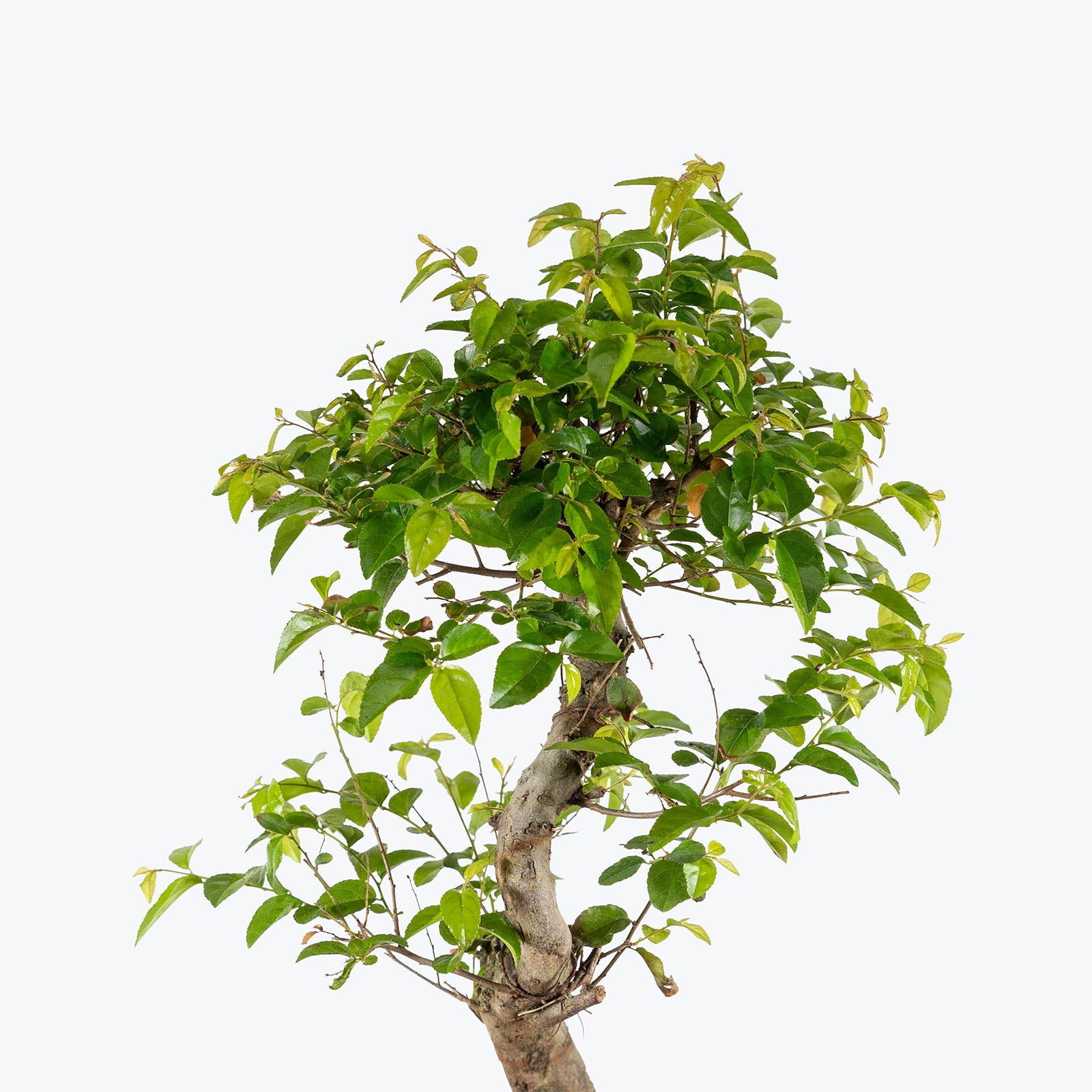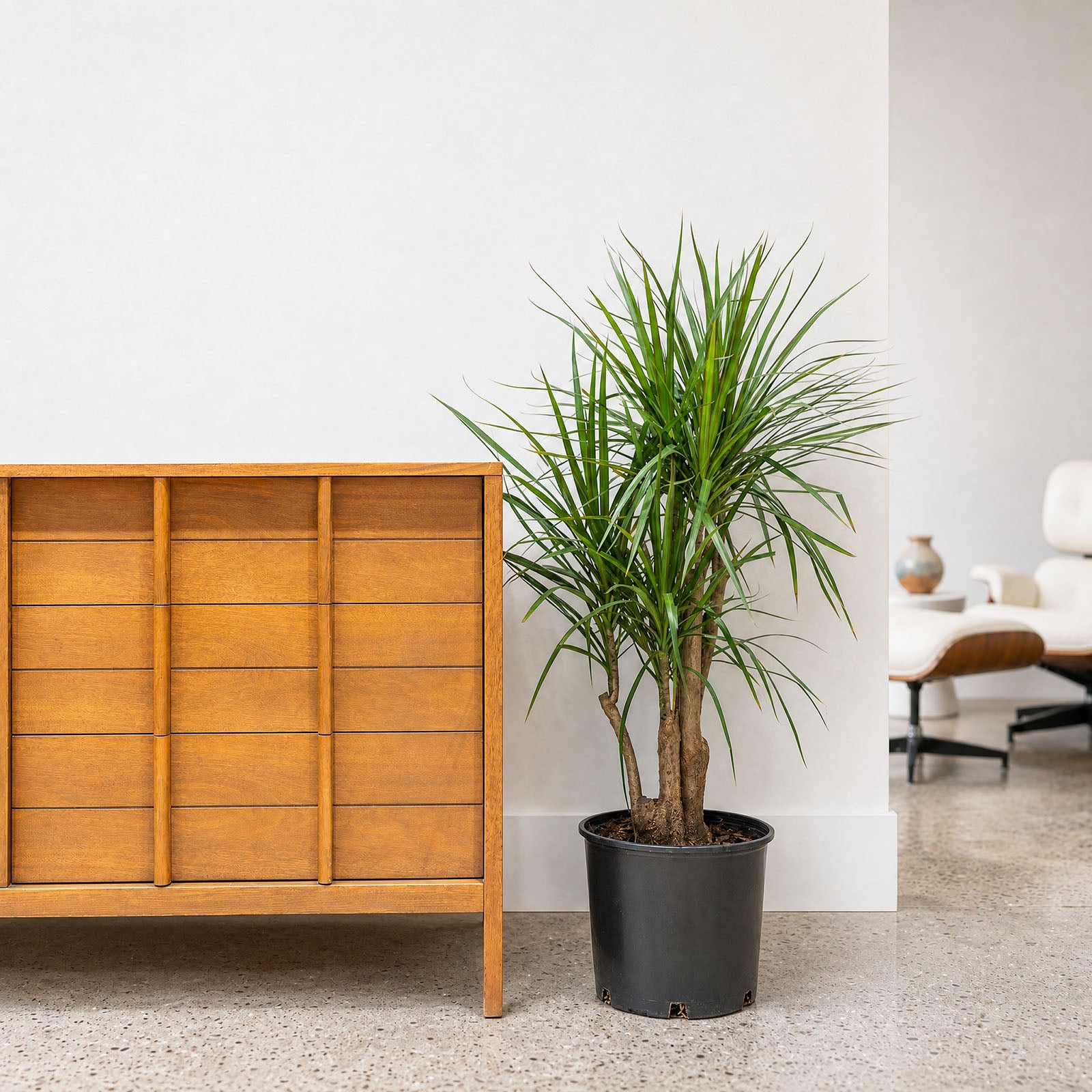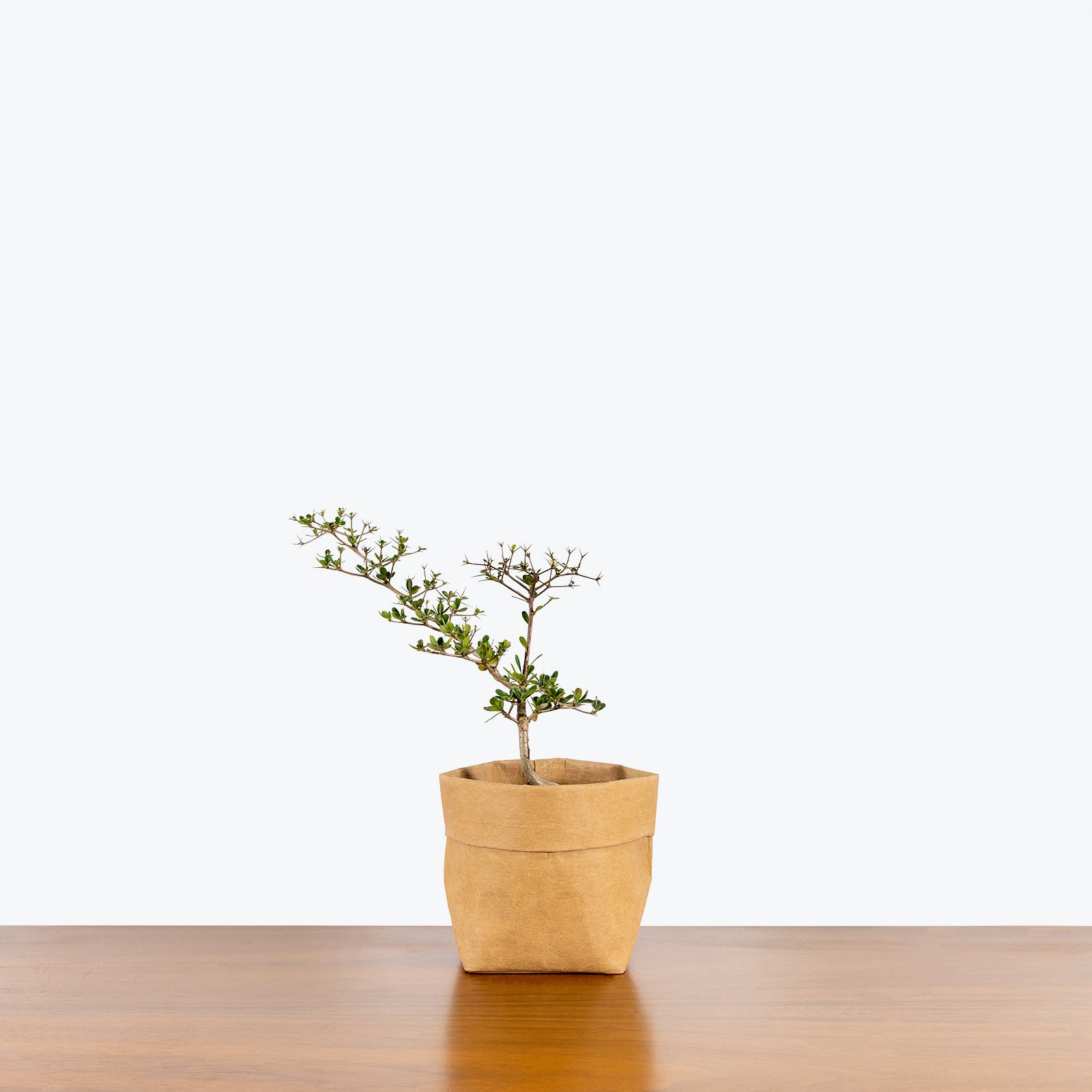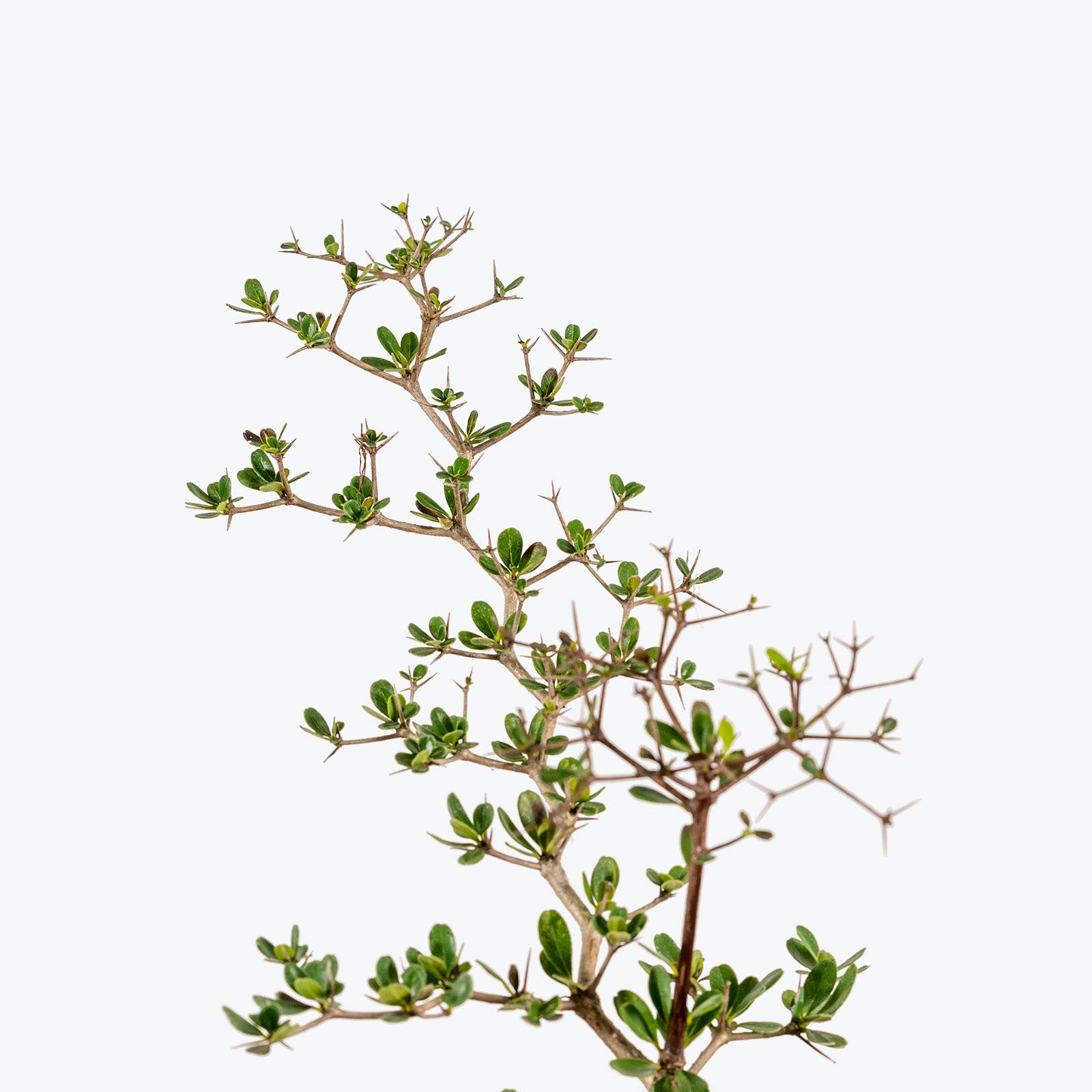
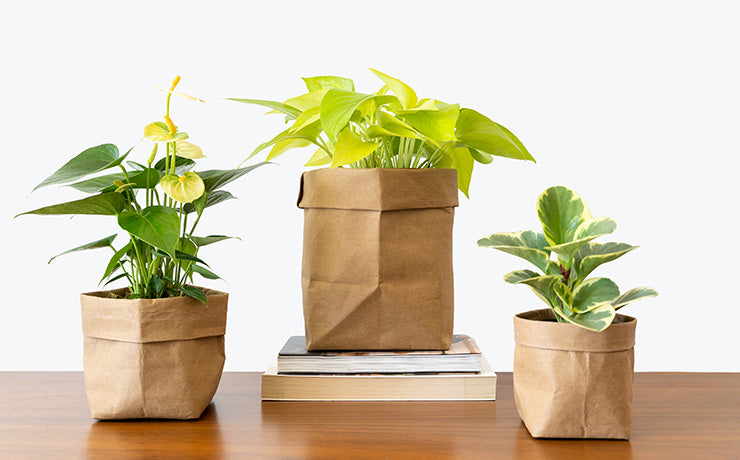
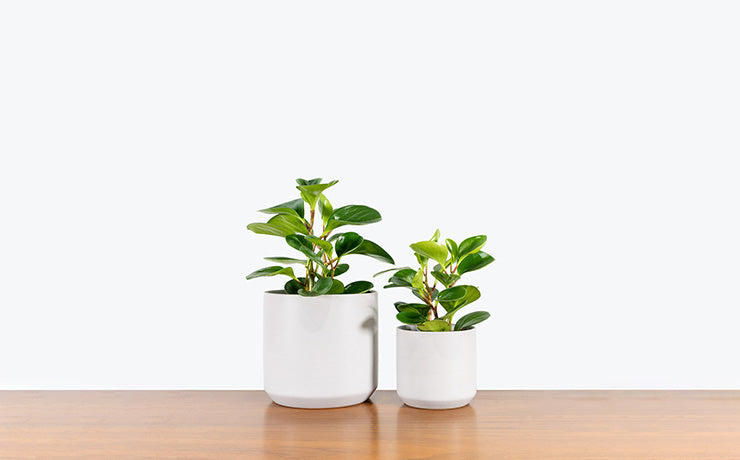
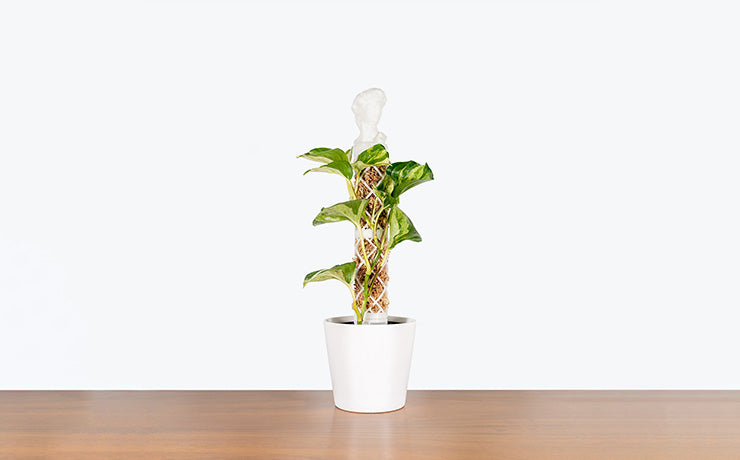
Bonsai bring the character of a mature tree into a compact, living form. From the sculptural roots of Ficus Ginseng to the tiny leaves of Dwarf Jade and flowering Fukien Tea, this collection offers different shapes to grow and care for over time.
Choose the growing location first. Tropical bonsai can suit a bright indoor window, while Juniper needs outdoor conditions and a plan for winter protection. Then compare watering needs and the amount of pruning you would enjoy before choosing by appearance.
Is bonsai a type of tree?
Bonsai describes the practice of growing and shaping trees or shrubs in containers, rather than one plant species. Different plants can be trained into compact forms, so the name alone does not tell you their light, water or temperature needs. Start with the individual plant's identity and growing requirements.
Which bonsai can I keep indoors?
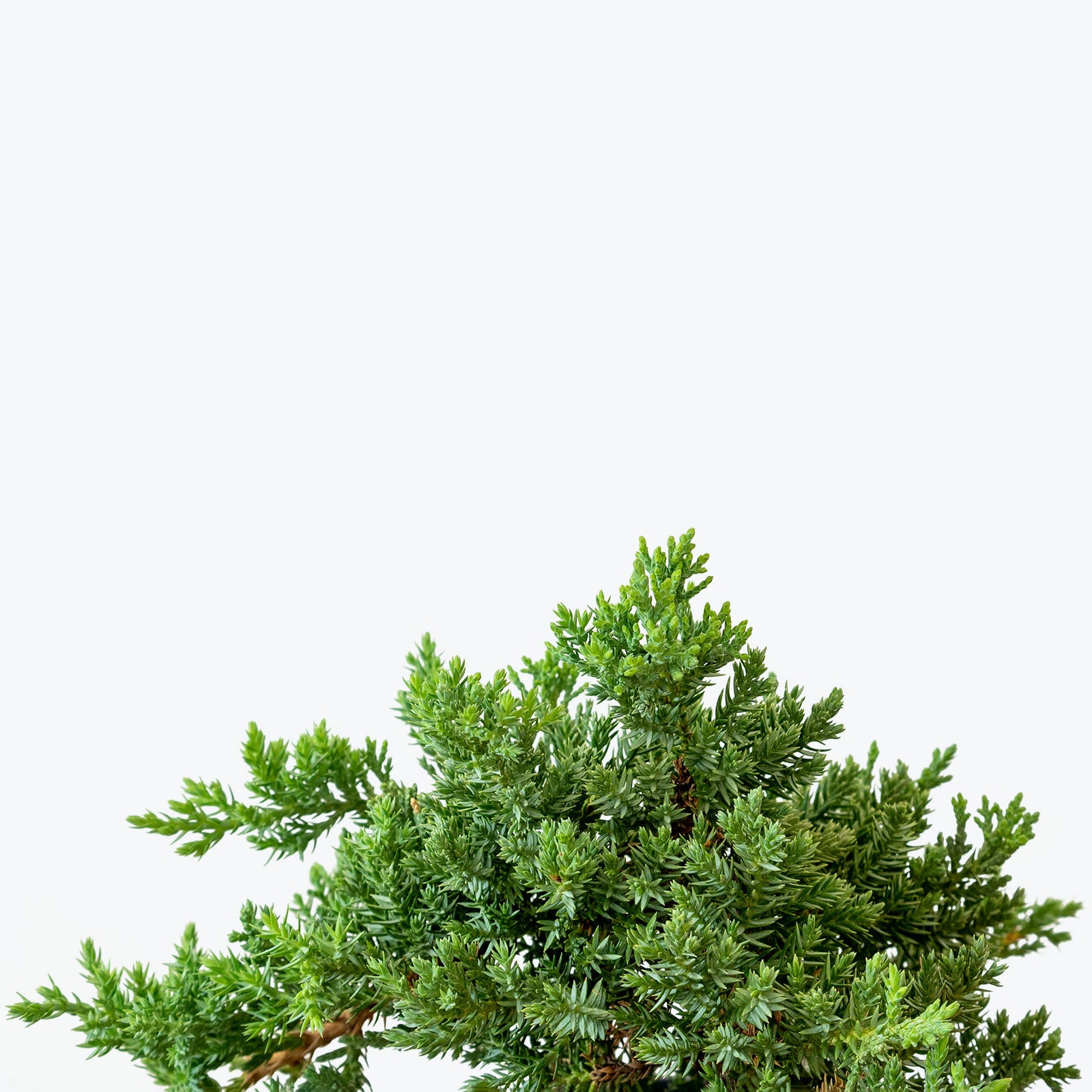
Tropical options such as Ficus Ginseng and Ficus Retusa can grow indoors with plenty of light and stable warmth. Juniper is an outdoor tree that needs sunlight and seasonal changes; a heated room is not suitable for year-round care. In a Canadian winter, its shallow pot and roots need protection appropriate to local conditions.
Which bonsai is a good first choice?
Ficus Ginseng is a useful starting point for a bright indoor space, with glossy leaves and a distinctive root shape. If you have a sunny spot and prefer to let the soil dry between waterings, consider Dwarf Jade Heart Bonsai, a succulent Portulacaria afra. Choose a plant whose care fits your routine rather than assuming every small tree needs the same attention.
How often should I water a bonsai?
Check the soil and the species instead of using one schedule for the whole collection. Small pots can dry quickly, especially outdoors in warm or windy weather. Fukien Tea needs watering before the root ball dries completely, while Dwarf Jade should dry fully between waterings. When watering, wet the mix thoroughly and let excess water drain; do not leave the pot standing in water.
Will my bonsai stay small without pruning?
It will continue to grow. Regular, species-appropriate pruning helps maintain its outline, and repotting is part of long-term care. A shaped plant is an ongoing project rather than a finished ornament. Learn the timing and method for your chosen variety before making major cuts or pruning roots, and let a newly arrived plant settle into suitable growing conditions first.
If you’re unhappy with your plants for any reason, contact us within 15 days, we'll sort it out for you. 30 days for accessories.
Lifetime Support
If you have questions about your plant at any point or are just not sure if it is doing something good or bad, our plant experts are always here for you to guide you in the right direction.
Carbon-Neutral Delivery
Get carbon-neutral delivery across Canada, and enjoy free local delivery* to have your plants delivered by one of our friendly team members in Toronto and cities around Toronto.
Packed with Care
Plastic negative, and eco-friendly packaging, we spend every effort to make sure your plants arrive in their best condition with minimal environmental impact.